

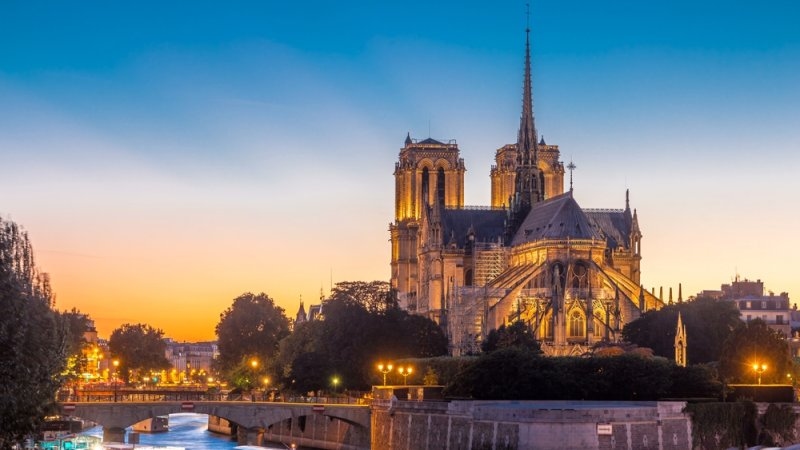
Stop wasting your vacation walking through sterilised modern museums. If you crave intense history, towering stone spikes, and pure mediaeval atmosphere, you must aggressively hunt down the best Gothic places to visit in Europe. The continent is absolutely loaded with massive cathedrals, bone-chilling crypts, and labyrinth-like old towns that survived brutal wars and endless plagues. This is not about snapping a happy, quick selfie. It is about standing inside massive stone structures built to physically intimidate human beings. You want heavy gargoyles staring down at you, blackened brick walls, and narrow cobblestone alleys where the sun barely hits the ground.
Must Read: Where are the Best Places to Visit in Thailand for Couples?
People flock to these heavy stone monuments because they completely defy modern engineering logic. The sheer intimidation factor of towering ribbed vaults, flying buttresses, and jagged stone spires physically forces you to respect the raw human labour required to construct them centuries ago without any heavy industrial machinery.
Tourists heavily crave the morbid reality attached to these specific locations. These are not pristine, happy palaces. They served as the absolute epicentre for brutal inquisitions, violent plagues, and mediaeval executions. You can literally feel the heavy, oppressive historical weight radiating directly out of the cold, blackened cobblestones.
Top Pick: Best Places to Visit in the UK: 11 Spots that You Must Visit
Stop wandering randomly through modern capitals. Target these specific locations to experience the heaviest, most intimidating architectural strikes on the entire continent.
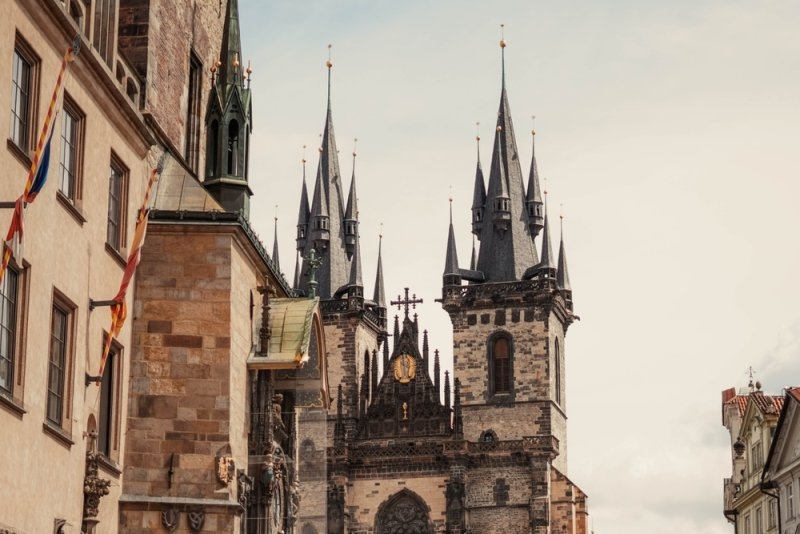
The Church of Our Lady before Tyn dominates the square. Its massive black spires pierce the sky, delivering a brutal dark fairytale atmosphere.
The Duomo di Milano took six centuries to build, featuring a massive forest of sharp stone spikes that physically overwhelm the plaza.
The Barri Gòtic traps you inside dark, sunless alleys that constantly twist around the towering, heavily detailed central cathedral.
The Old Town feels completely haunted. Hit Greyfriars Kirkyard to experience pure, heavy paranormal grit in the freezing Scottish rain.
This Norman city weaponised the Flamboyant style. The Rouen Cathedral features insane stone tracery that looks like jagged lace carved from solid rock.
Westminster Abbey is a massive stone tomb. The intense ribbed vaults hold centuries of royal remains and brutal political history.
Bran Castle sits completely isolated on a massive rock, delivering pure Carpathian atmosphere that physically screams mediaeval survival.
The towering brick belfry dominates the skyline. Walking the cold canals past the Church of Our Lady delivers a heavy, brooding vibe.
St Stephen's Cathedral commands the centre, while the brutal Capuchin Crypt holds centuries of royal skeletons locked directly underneath the streets.
Descend into the massive Catacombs to experience the ultimate dark reality, walking through endless claustrophobic tunnels lined with millions of human skulls.
The hidden Baltic secret. Explore the heavy brick ruins of Gediminas Castle and the completely chilling mummified crypts beneath the Dominican Church.
Pinning down the absolute champion requires you to look past the modern capital cities. You must strictly hunt for perfectly preserved Gothic places in Europe to find the true winner.
The Czech capital completely dominates. It survived massive wars intact, leaving the heavy stone bridges and towering black spires completely unbothered by modern development.
Rouen features an insane density of flamboyant churches that physically crowd the narrow streets with jagged stone details and aggressive architecture.
The Scottish capital wins strictly on atmosphere. The blackened stone buildings and constant heavy fog create an inherently dark environment that feels physically oppressive.
You cannot just stare at the exterior walls from the street. To truly experience famous Gothic cathedrals and historic cities across Europe, you must push inside the heavy wooden doors and look up.
The interior ribbed vaults aggressively pull your eyes toward the sky, physically manipulating the space to make humans feel incredibly small and insignificant.
Massive rose windows punch through heavy stone walls, throwing dark, coloured shadows across the cold floor to create a deeply intimidating atmosphere.
These massive exterior stone arms prop up the towering walls, preventing the insanely high structures from completely collapsing inward.
Ditch the beach resort if you actually want stone that feels alive and slightly terrifying. Finding genuine Gothic places to visit in Europe means trading daylight for narrow, crooked alleyways and cathedrals that blot out the sky. Modern concrete towers can't replicate that cold, heavy feeling you get walking through centuries-old masonry. Hit the damp stone alleys in Prague before sunrise, look up at the razor-sharp spires of Milan's Duomo, and crawl through the Paris Catacombs, where millions of skeletons line the walls.
The style relies aggressively on three massive engineering breakthroughs: the pointed arch, the ribbed vault, and the flying buttress. These specific elements allowed mediaeval builders to construct insanely tall, thin stone walls and punch massive holes for intricate stained glass windows.
Yes, but you must strictly follow the designated paths. Massive networks like the Paris Catacombs are heavily structurally reinforced for public access, but if you attempt to bypass the locked gates and explore the unmapped tunnels, you will absolutely get lost and trap yourself underground.
They are not just creepy aesthetic decorations; they serve a massive structural purpose. Gargoyles are literally functional water spouts designed to aggressively shoot heavy rainwater far away from the massive stone walls, preventing the mortar from rotting and collapsing the building over time.
It completely depends on the specific location's strict rules. Some massive cathedrals encourage aggressive photography, while others strictly ban cameras out of respect for the dead. You must physically read the warning signs before flashing a bright light into a 500-year-old tomb.
Absolutely not. In fact, hitting these massive stone squares in December aggressively enhances the dark atmosphere. While some minor rural castles might lock their doors, the massive urban cathedrals remain completely open, operating as a heavy refuge against the freezing rain and snow.
This content was created by AI