

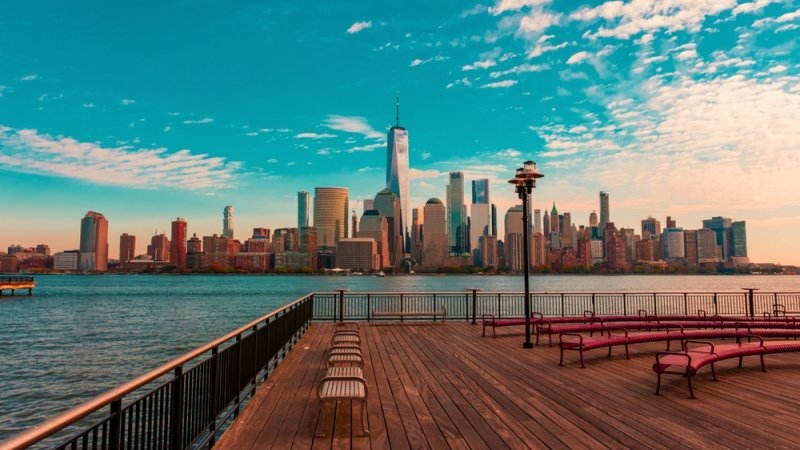
Most tourists ruin their Manhattan trip by cramming their itinerary with overpriced traps and spending six hours a day stuck underground on stalled subway trains. If you want to see the real top attractions in New York City, you have to stop following generic Instagram checklists and start treating the city like an operational grid. Knowing where to spend your cash—and which crowded sidewalks to skip entirely—is the only way to survive a weekend here without burning out.
Top Pick: The Ultimate 5-Day New York City Itinerary for First-Timers
People don't fly to Manhattan for relaxing hospitality; they come because the density of culture, money, and architecture within twenty square miles is unmatched anywhere else in the country. You can step out of a subway grate in Lower Manhattan and walk through three distinct historic neighborhoods before your morning coffee even gets cold.
What keeps travelers coming back is the sheer speed of the streets. The city doesn't cater to passive observers or hold your hand with slow-paced tours. Whether you are hunting down a hole-in-the-wall slice in Greenwich Village or standing under steel skyscrapers in Midtown, the energy forces you to stay alert and move with purpose.
Stop trying to conquer all five boroughs in seventy-two hours. Stick to actionable ground-level tactics, so you actually enjoy the things to do in NYC without wrecking your feet on day one.
Hit major landmarks before 8:00 AM. Midtown is empty at sunrise, meaning zero lines and clear walkways for your photos.
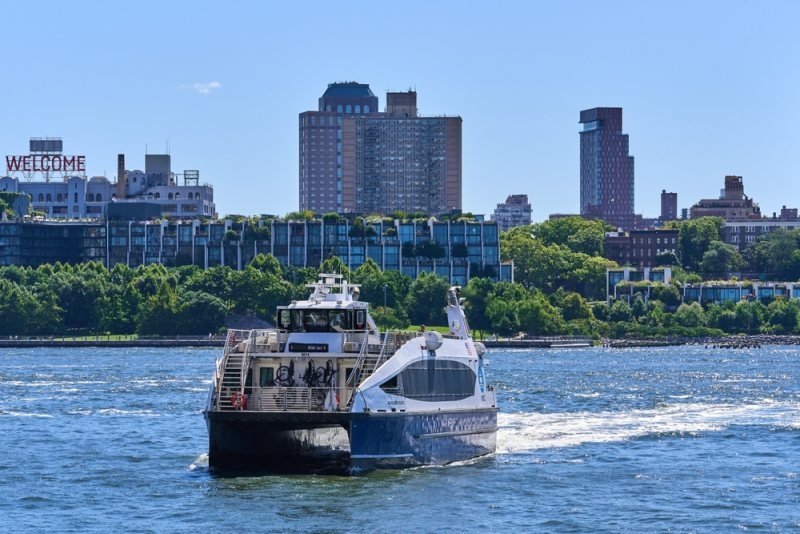
Forget $40 tourist cruises. A standard ferry ticket gets you waterfront views under the Brooklyn and Manhattan bridges for pocket change.
Skip tourist-trap diners near Times Square. Head downtown for actual neighborhood kitchens that survive on repeat locals rather than foot traffic.
Stop fumbling with paper MetroCard at turnstiles. Tap your phone or contactless card and move fast so you don't block commuters.
Never show up at a box office without a digital barcode. Sellouts happen daily at major institutions across the city.
Not every tourist stop is a waste of money. These eleven places to visit in New York City earn their reputation by delivering real historic scale and unforgettable views.
Skip the horse carriages and walk the North Woods. It is the only place in Manhattan where city noise completely drops off.
Don't try to see the whole building in one afternoon. Pick two wings—like Egyptian Art and Arms—and get out before museum fatigue ruins your knees.
Walk this elevated rail line on a weekday morning. You get an uninterrupted shot of West Chelsea architecture without bumping shoulders with weekend tour groups.
Stand on the Main Concourse balcony to watch the rush-hour scramble, then check out the whispering gallery downstairs by the Oyster Bar.
An absolute essential stop in Lower Manhattan. Stand by the reflecting pools before heading below ground for the historic exhibits.
Walk across from the Brooklyn side heading back into Manhattan. You get the skyline dead ahead of you instead of craning your neck backward.
Midtown's smartest observation deck. You actually get the Empire State Building directly in your photos instead of standing inside it.
Take the first morning boat out of Battery Park. Late-afternoon ferries turn into crowded cattle calls with massive security lines.
See the LED billboards once at midnight, take your photo, and leave. Never sit down for a meal within four blocks of the junction.
Hit the fifth-floor galleries first for Van Gogh and Picasso, then work your way down against the normal crowd flow.
Skip the overcrowded winter ice rink and explore the subterranean concourse and Art Deco lobbies that connect the entire office complex.
Stop relying on sponsored blog posts that push whichever ticket vendor pays the highest referral fee. Finding the genuine must-see places in New York City requires ground-level research.
If a destination requires three bus transfers and an hour of walking, drop it. Stick to spots anchored along the 4/5/6 or Broadway subway lines.
Check community boards in SoHo and Tribeca for independent gallery openings that never make major travel magazines.
Follow office workers during lunch hour. The lines outside nondescript delis in the Financial District point straight to the best food in town.
Paying for entry shouldn't mean standing in a herd. The best places in NYC give you direct access to historic infrastructure and world-class archives without the gimmickry.
Standing inside a 1920s skyscraper lobby shows you the raw masonry, brass work, and engineering that built modern America.
Major galleries here don't display prints or replicas. You are looking at original canvases, ancient masonry, and real historical relics inches from your face.
Walking three blocks east or west completely flips the language, food, and street layout—going from Chinatown tenements straight into Italian bakery corridors.
Conquering the top attractions in New York City isn't about checking forty boxes on a clipboard. It is about picking a handful of solid neighborhoods, wearing boots that can handle ten miles of pavement, and knowing when to walk away from a crowd. Whether you are hunting down the best places in NYC for historic architecture or hitting waterfront parks at sunrise, control your schedule, ignore the tourist traps, and experience the streets on your own terms.
First-timers should stick to landmarks that anchor major subway lines—like Grand Central Terminal, Central Park's southern loop, and the Staten Island Ferry. The ferry is completely free and sails directly past the Statue of Liberty without forcing you to waste three hours in airport-style security lines at Battery Park.
Stop relying on generic Top-10 lists and look at neighborhood zoning maps. The most rewarding walking districts—like the West Village or DUMBO—are historic preservation zones where strict building laws prevent cookie-cutter chain stores from wiping out classic brick architecture and independent shops.
Four full days is the operational sweet spot. That gives you one dedicated day for Lower Manhattan and the financial district, one for Midtown museums, one for exploring Brooklyn waterfronts, and a buffer day for neighborhood walking without spending your entire vacation exhausted.
This content was created by AI